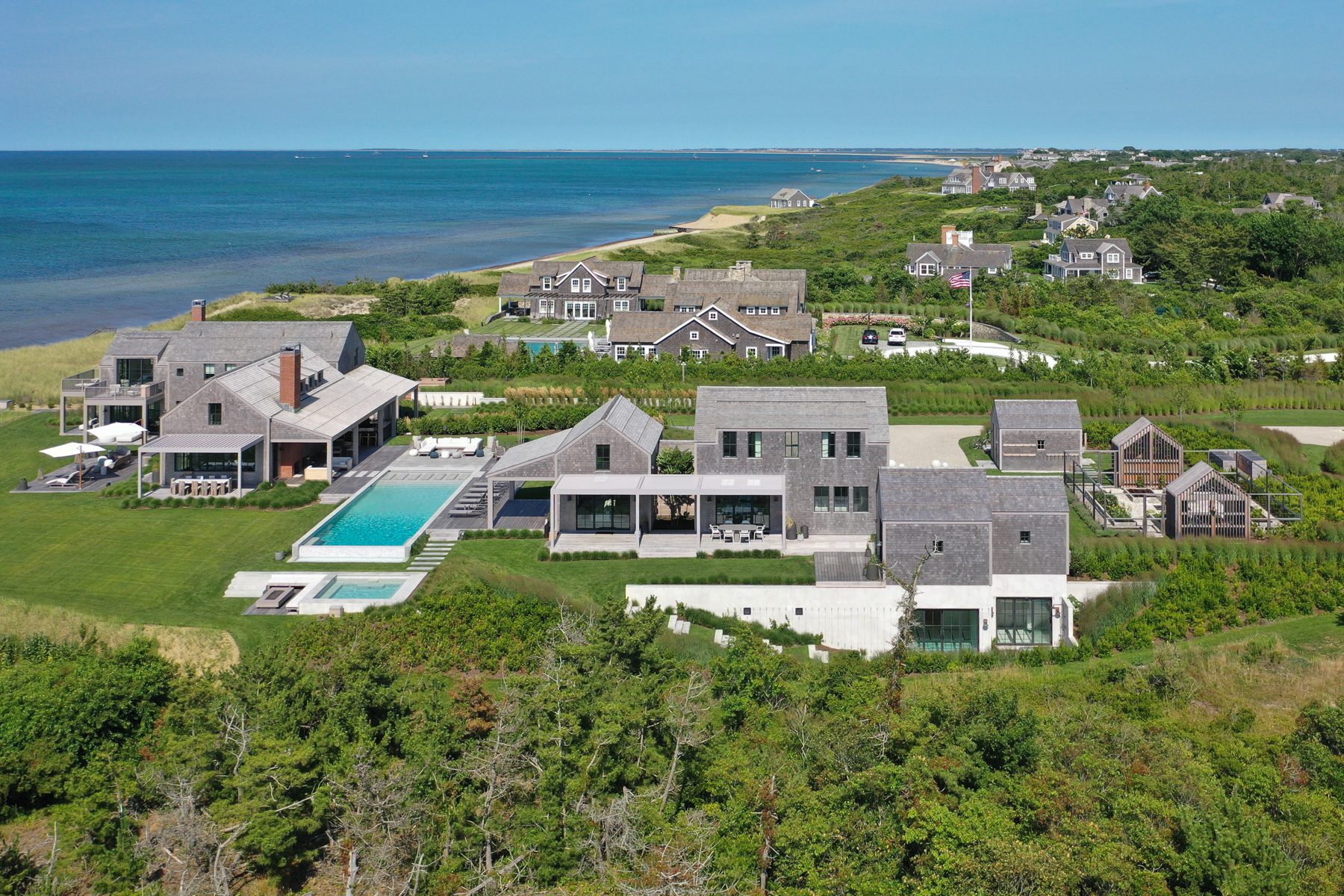
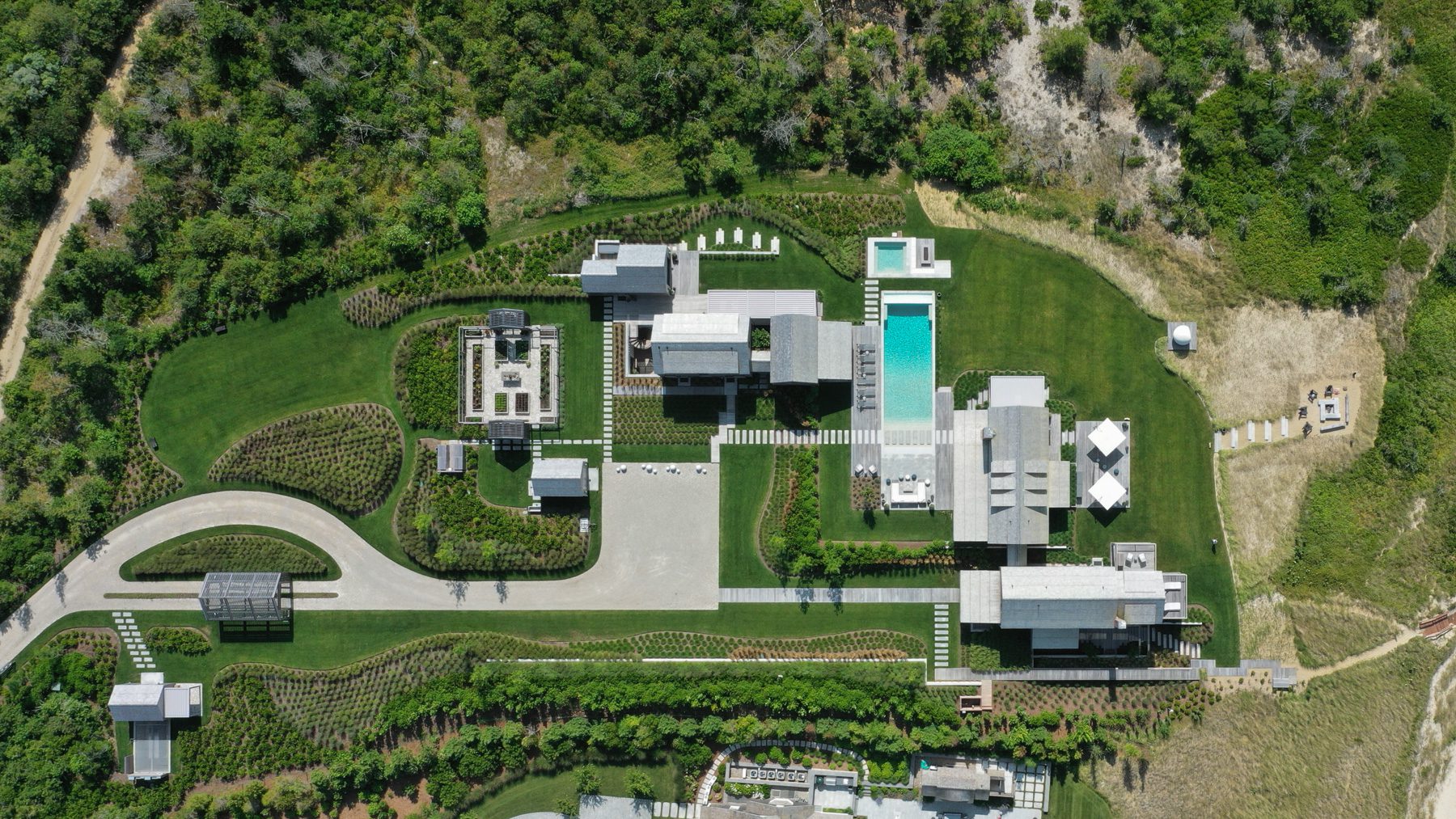
This coastal residence was envisioned as a sprawling family compound that maximizes living and entertainment space while preserving the natural beauty of its ocean-adjacent setting. The development required close coordination among the design and construction teams, incorporating building systems not commonly found in residential construction to realize the architectural vision. Led by architect Workshop/APD, the challenge was to create extensive living and entertainment spaces without encroaching on the natural landscape, maximize the indoor/outdoor relationship with the waterfront, and provide sufficient service spaces for storage and mechanical systems without sacrificing living space. The solution was to leverage below-grade area for amenity and building support spaces within predominantly sandy subgrade soils. CRAFT and Cheney Custom Homes worked together to develop the creative solutions necessary to bring Workshop/APD’s ambitious vision to reality.
Significant below-grade occupied space required extensive excavation and approximately 1,250 linear feet of reinforced concrete foundation walls. To reduce labor time for rebar fabrication and installation, Cheney Custom Homes requested the use of a stainless-steel-fiber-reinforced concrete mix. While vertical rebar for tall basement walls was still required, albeit reduced in density, horizontal reinforcement was largely eliminated, and an approximate twelve-ton reduction in rebar was realized. Furthermore, the steel fiber mix provided improved protection from surface cracks and water infiltration, resulting in better resilience for the ocean-adjacent site.
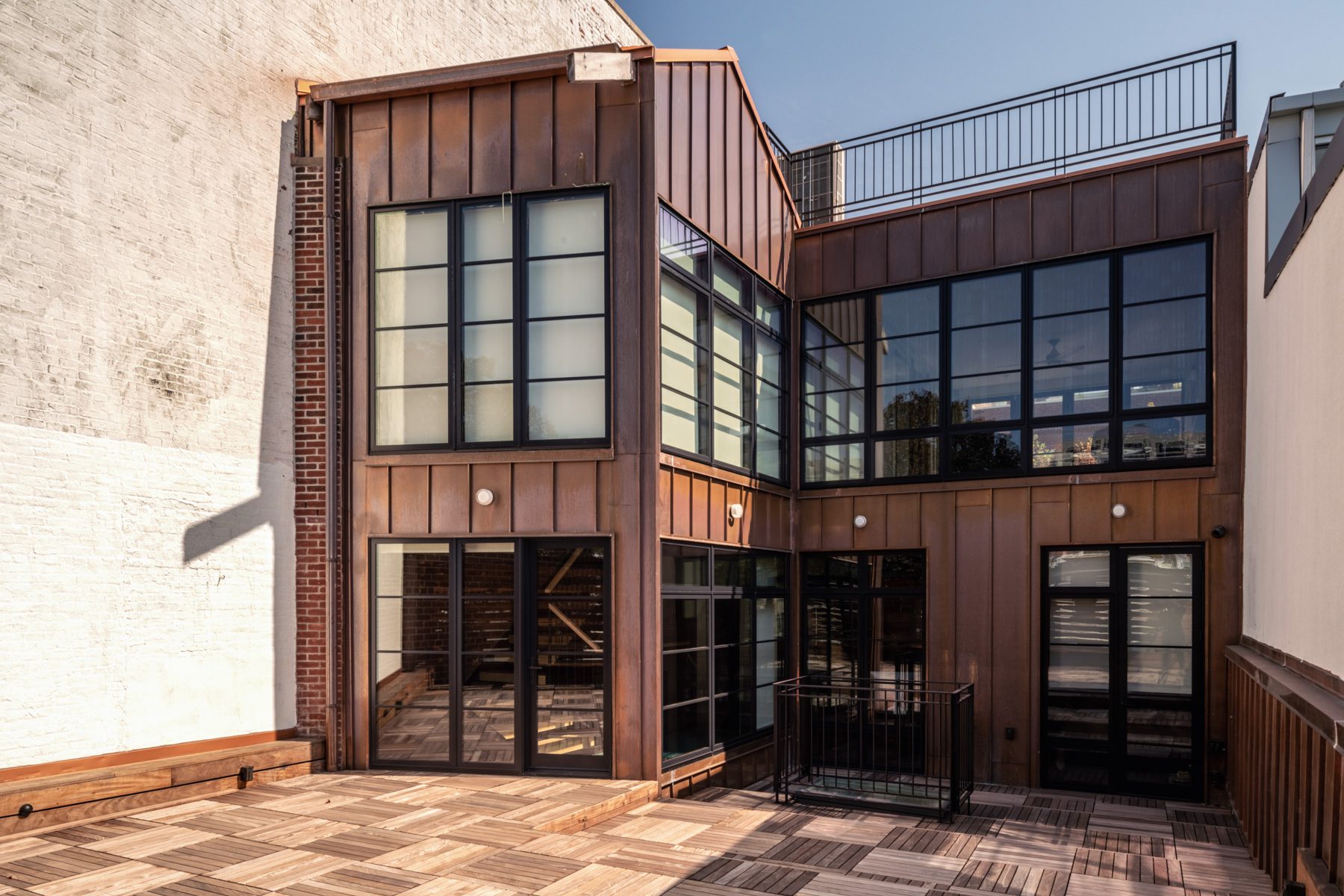
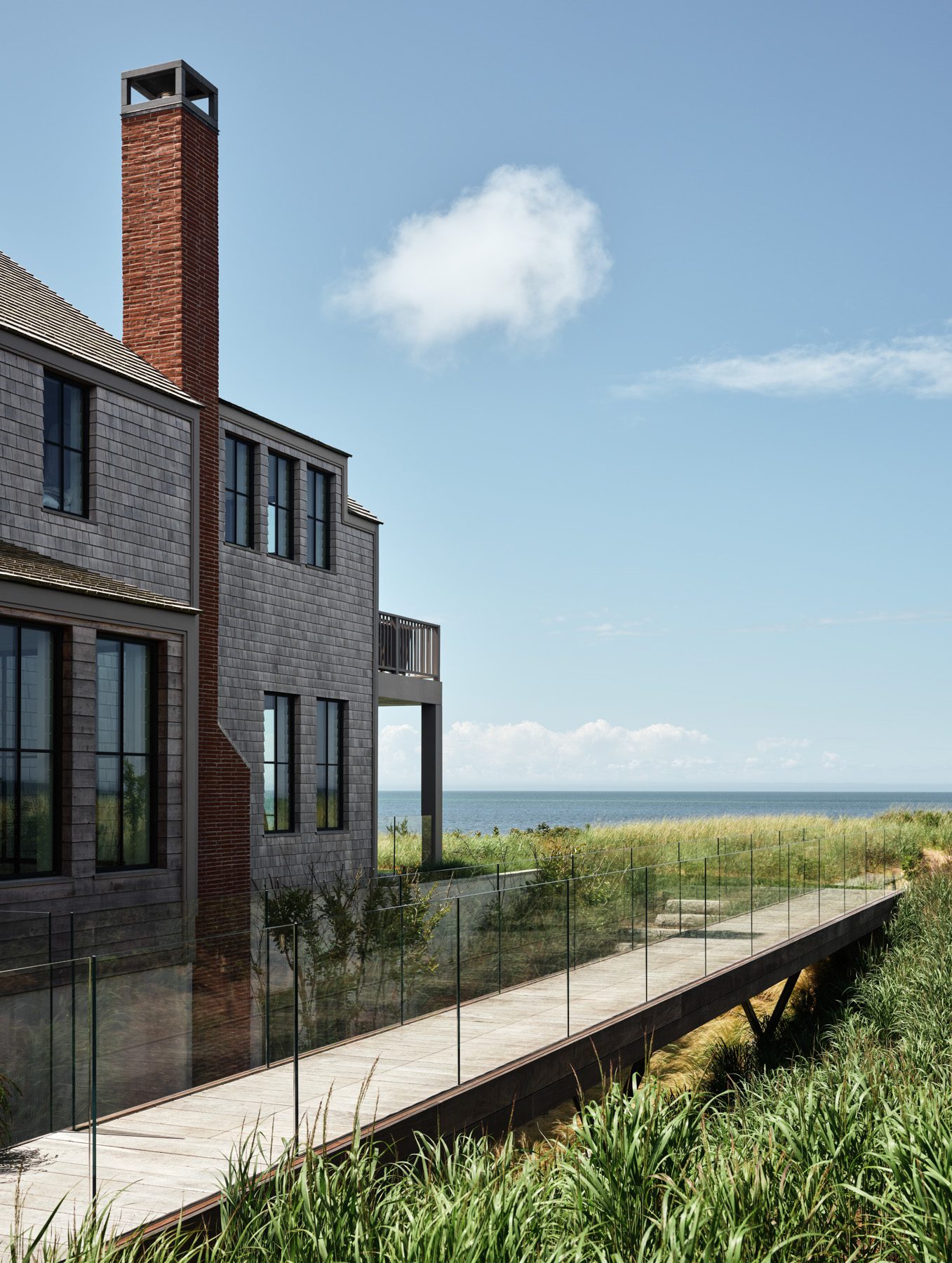
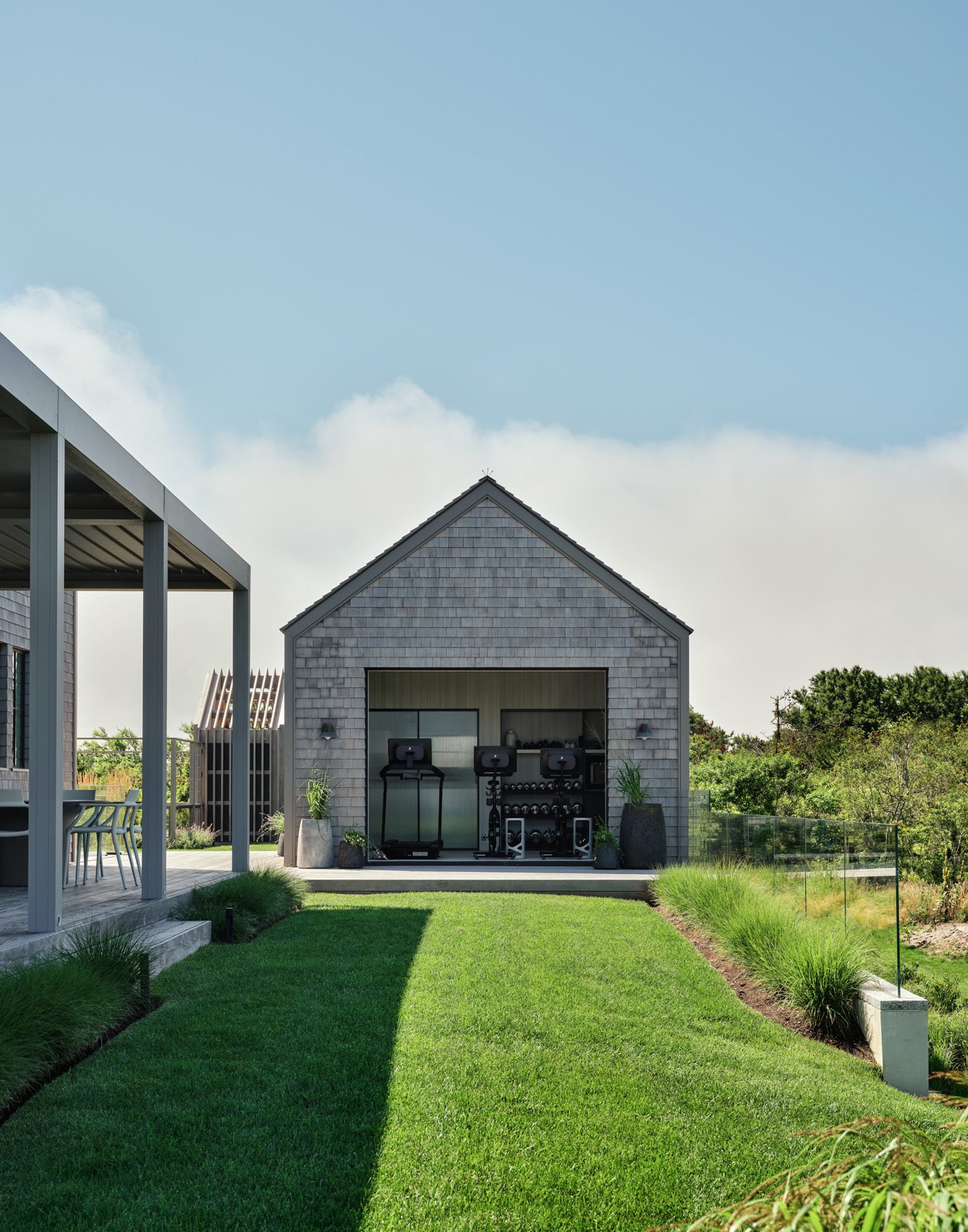
Workshop/APD prioritized integration of the sprawling natural landscape as a key feature of the design aesthetic. Closely coordinated details for transition spaces from indoor to outdoor areas provided seamless interactions with the natural grade and landscaping of the property. A thin-profile bridge with glass guardrails spans above a below-grade walkout, creating a connection between spaces while minimizing visual impact.
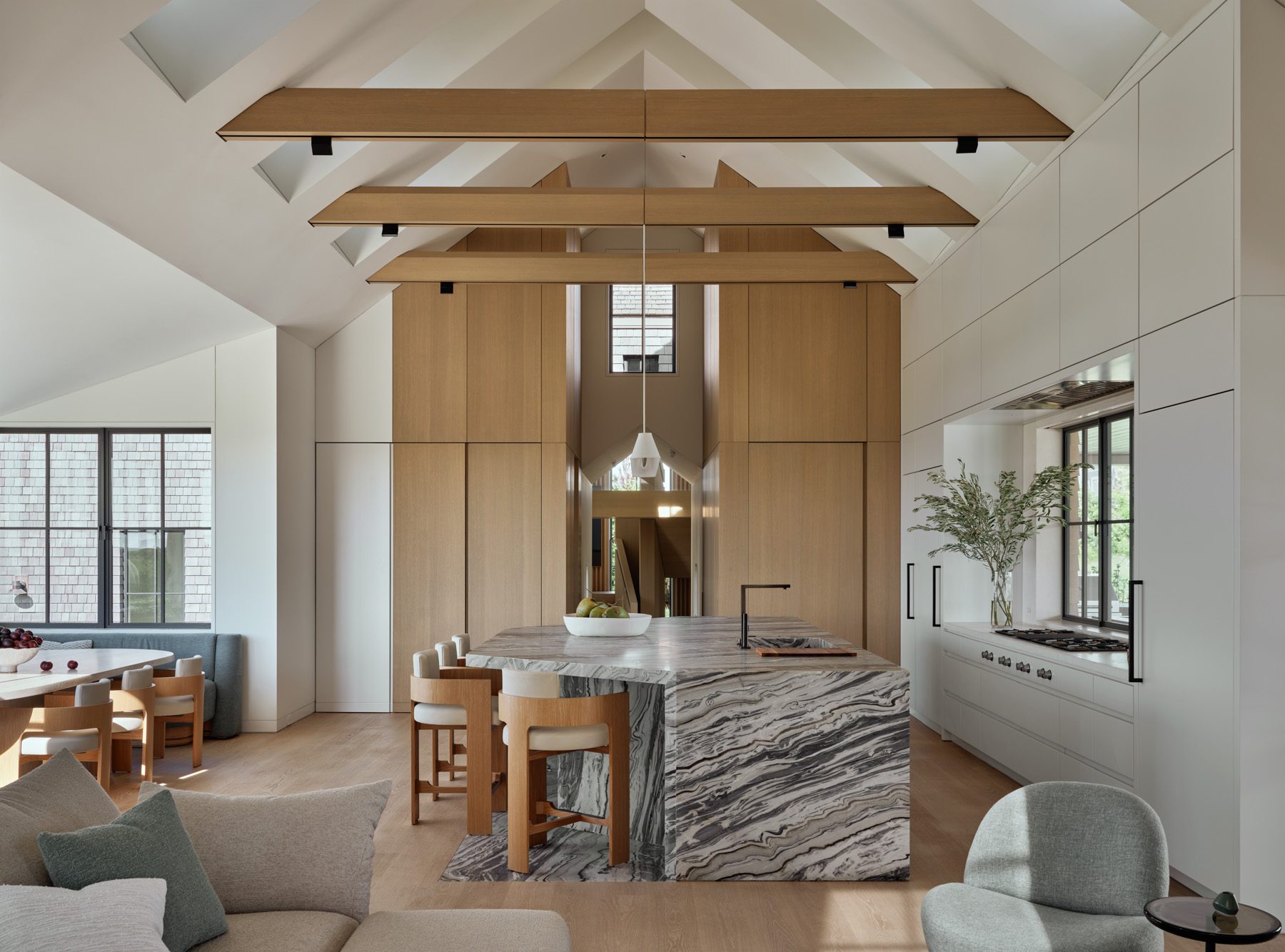
The grand interior of the primary kitchen and living space required a compact structural approach to conceal moment frames supporting the double-height gable space exposed to powerful ocean winds. To fit within the finished wall cavities, sistered frames were utilized at the center of the gable volume.
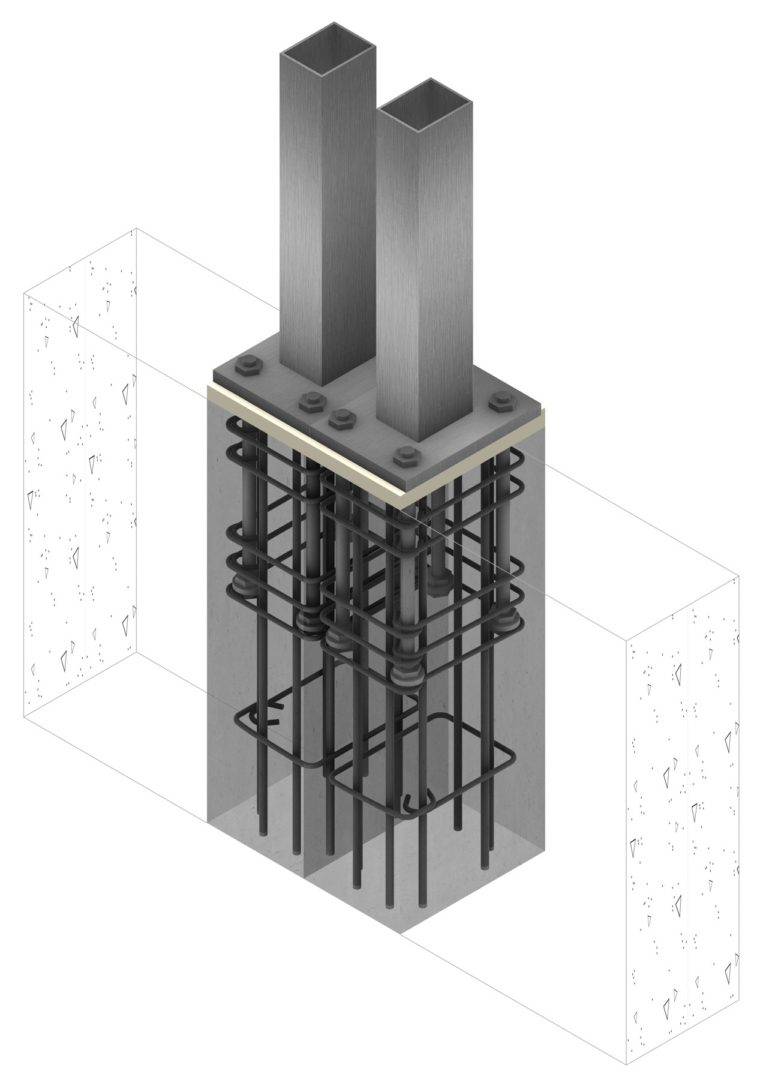
Compact framing solutions also introduced significant detailing challenges at critical connection points. Anchorage demands at the base of the frames were substantial, requiring tight concrete pier details and reinforcing that were expertly executed by the Cheney Custom Homes team.

Beyond the primary structural systems, bespoke components such as the dropped pocket window showcase the creativity required throughout the design and construction process. Providing adequate subgrade space for the motorization equipment while maintaining proper structural support for the window unit and movement mechanism, alongside water- and weatherproofing requirements, required close coordination across the project team.
The showcase feature of the subgrade amenity spaces is a sleek, two-lane bowling alley demanding a free-spanning space up to 30 feet wide and nearly 200 feet long.
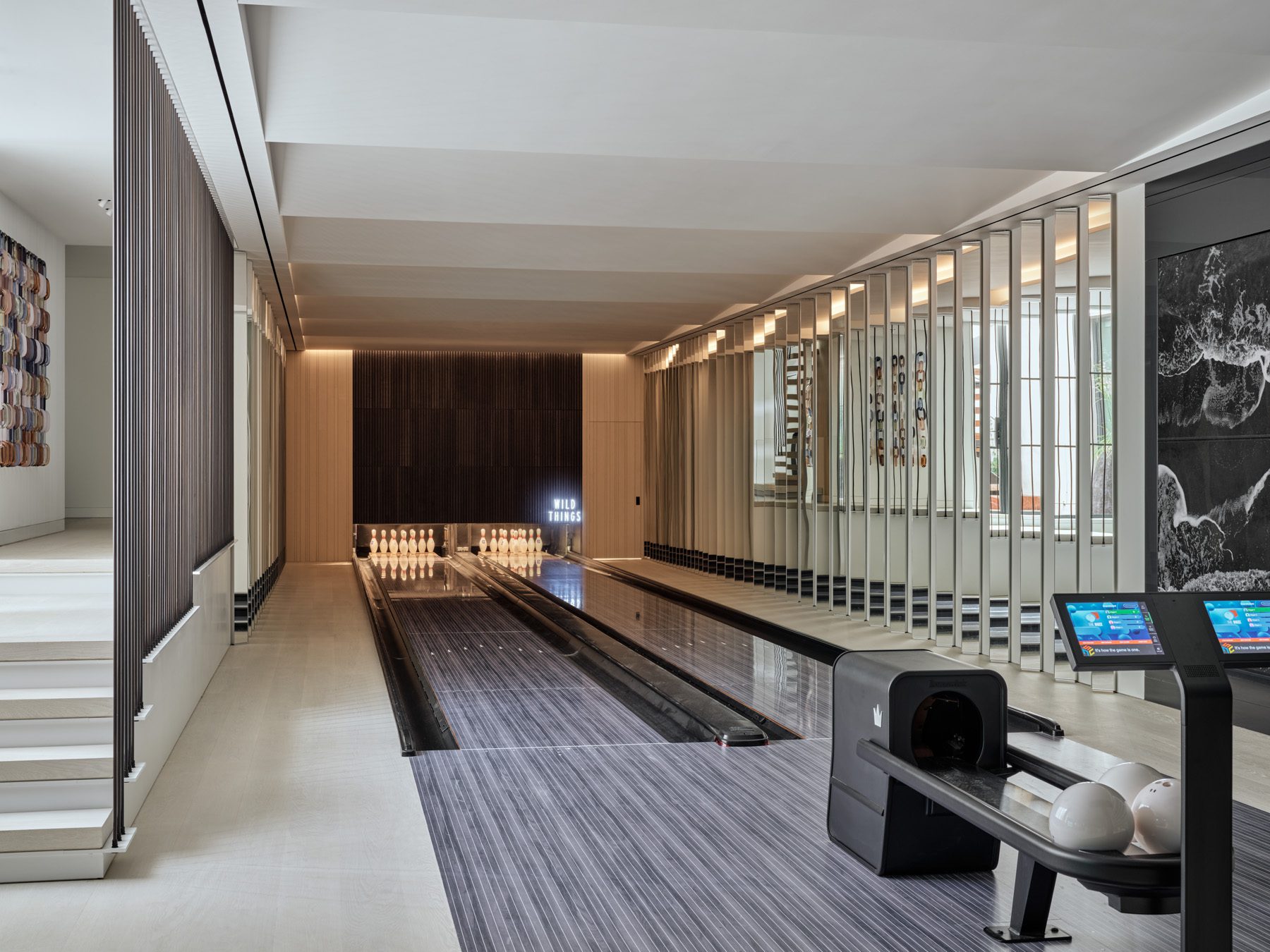
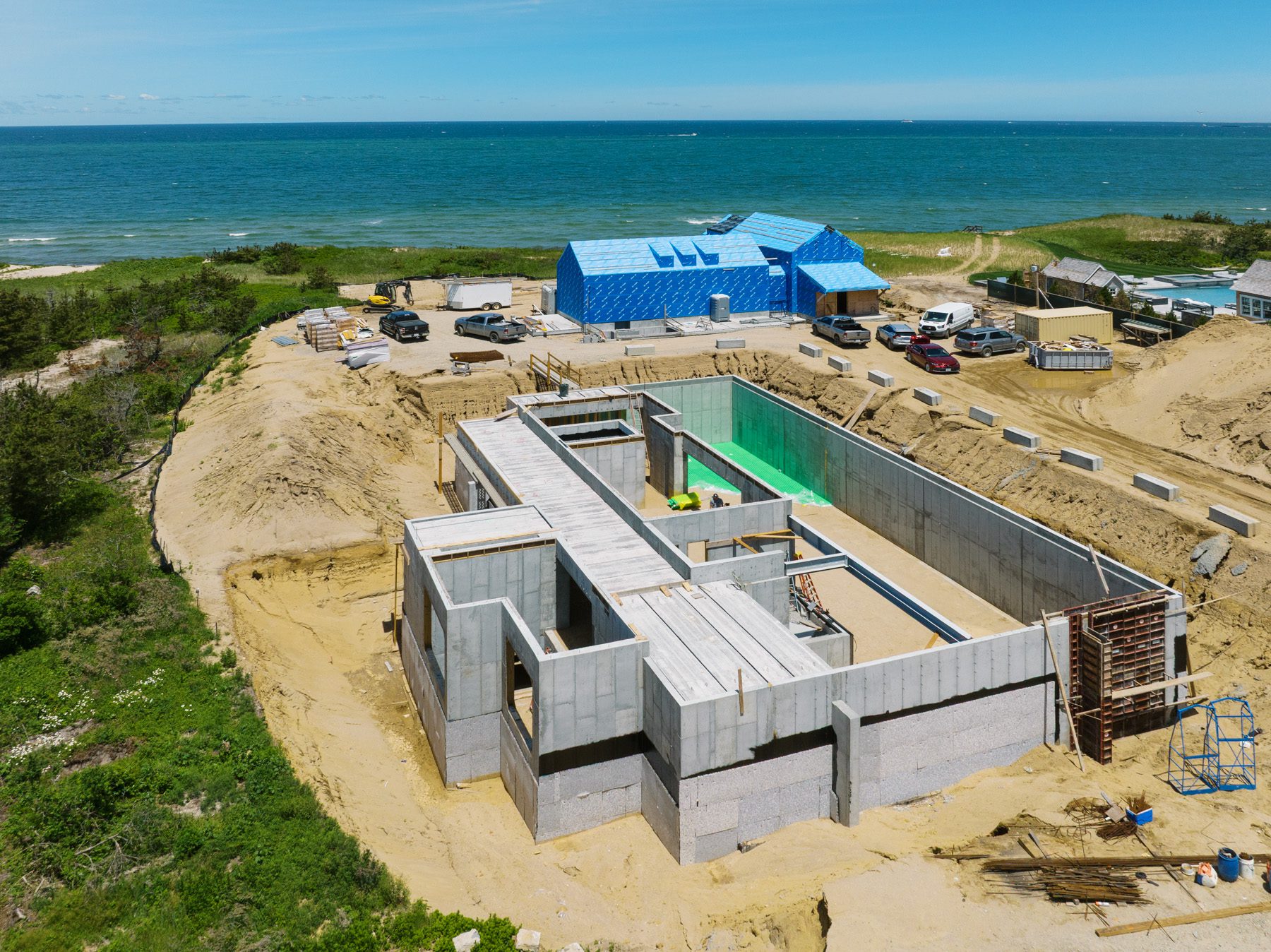
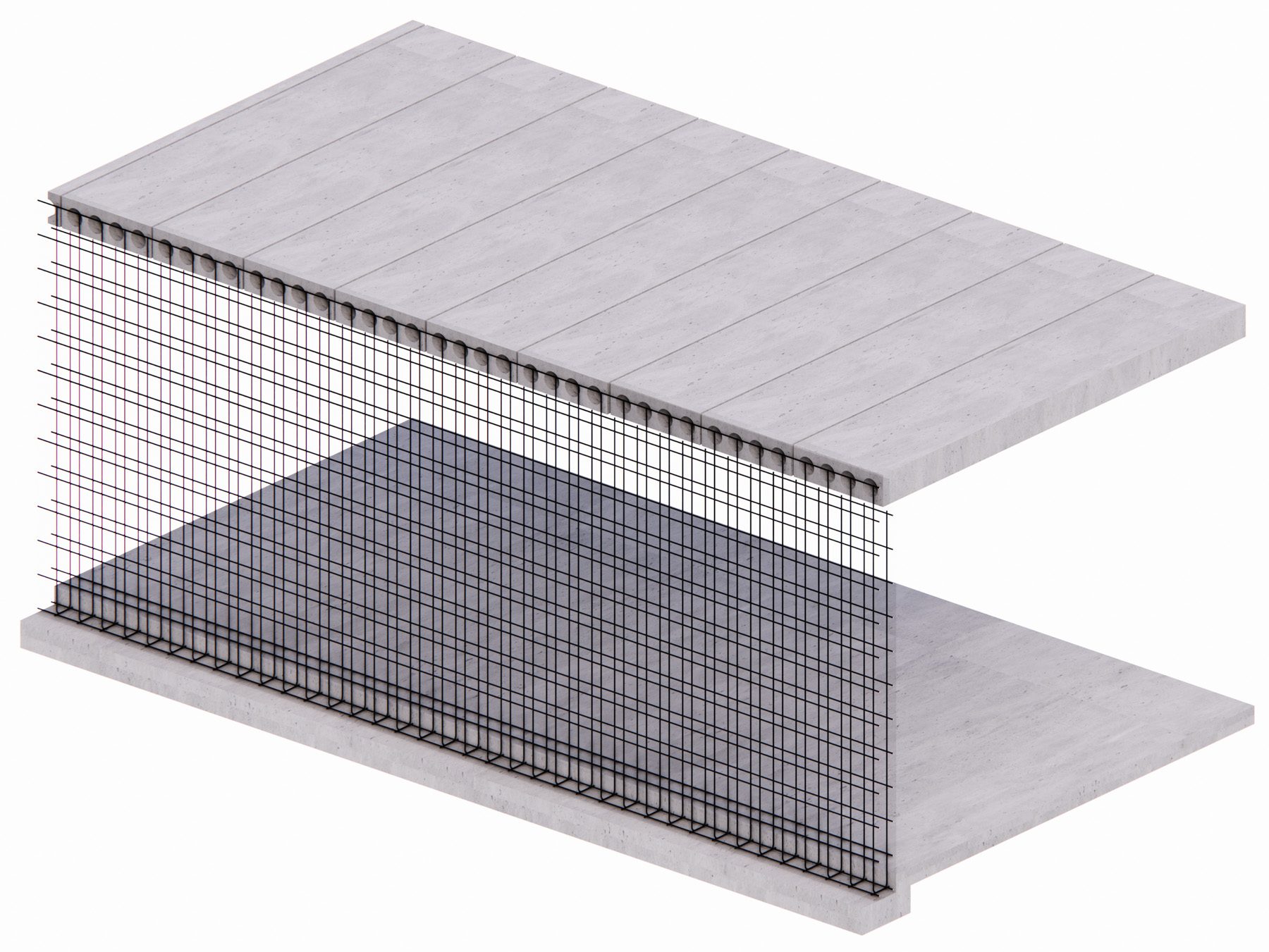
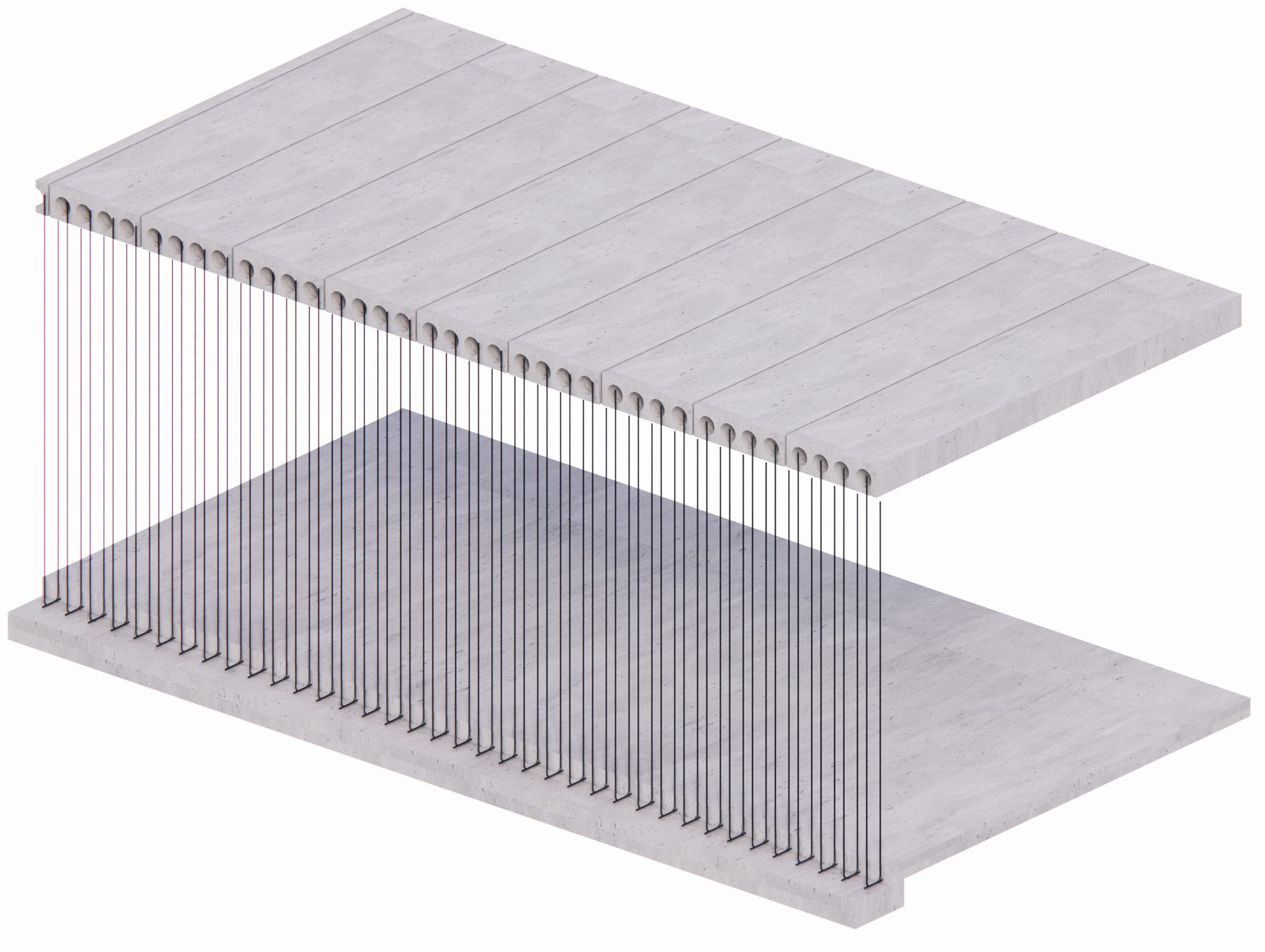
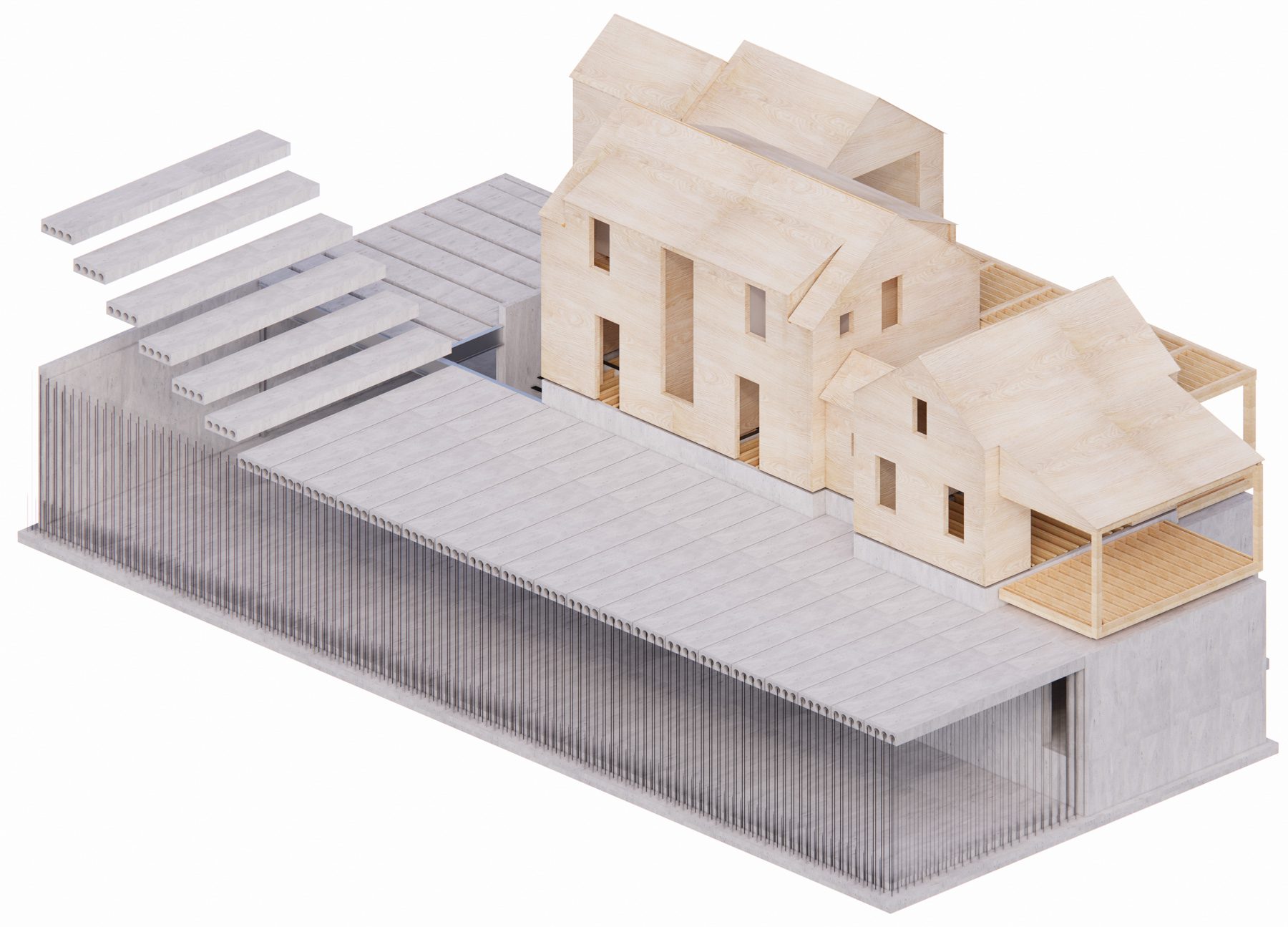
The lanes are located directly below key exterior landscaping with 3 feet of soil to ensure suitable substrate for bushes and shrubs. Structural demands on a heavily loaded, long-span system requiring a shallow depth and robust weathering performance made precast hollow-core concrete planks the optimal solution.
The construction team shipped the planks to the island and coordinated crane access for installation, eliminating the need for shoring and extensive field labor. Close coordination of dimensions, tolerances, and site access ensured the successful installation of over 5,300 square feet of planks at grade.
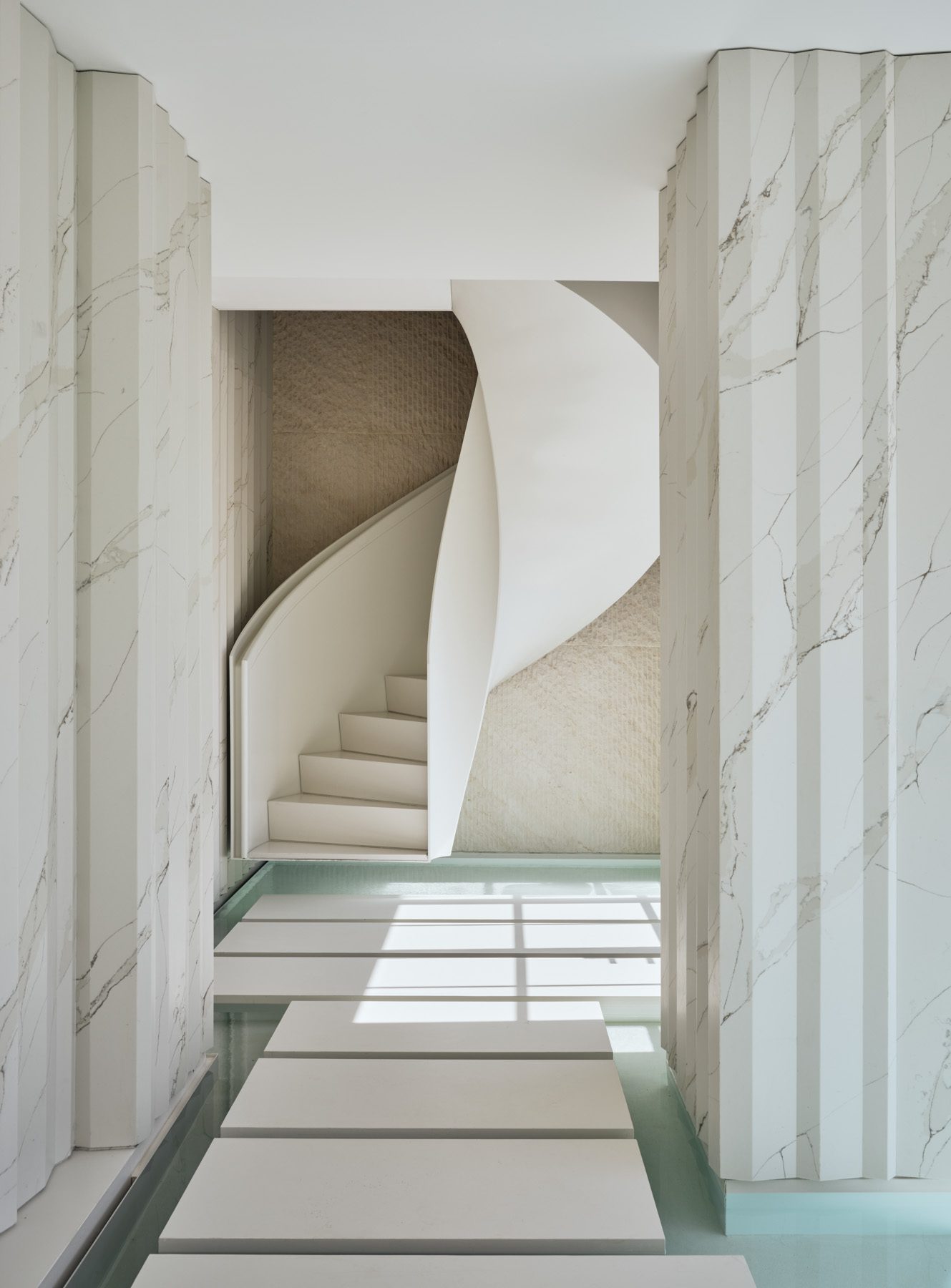
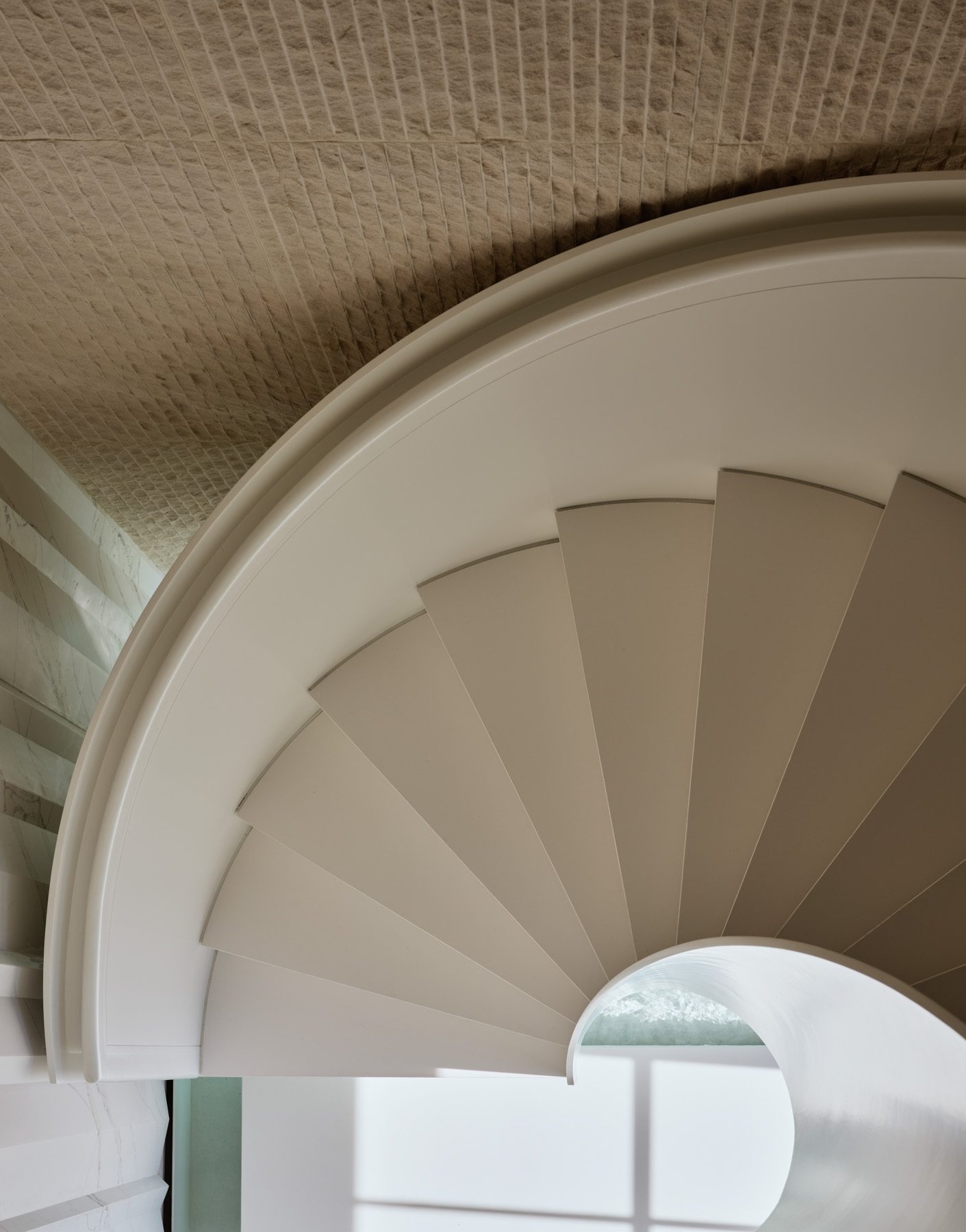
CRAFT provided specialty engineering for the signature stair in the below-grade spa of the secondary house. The suspended design and complex geometry required solid-component FEA analysis and careful coordination with the building framing system already in place. CRAFT received the preliminary design intent for the stair prior to steel fabrication, allowing the team to design a robust support system months in advance. When the project team awarded the stair fabrication scope and finalized the design, our team evaluated the custom stair system and quickly verified that the installed steel frame could support the ambitious design without requiring site modifications.

To maintain the airy feel of the auxiliary site structures, the team developed custom timber connections in coordination with the carpentry team at Cheney Custom Homes. Concealed knife plates with tight tolerances and precise fabrication provide rigidity at the beam-to-column joints while maintaining the clean, uninterrupted appearance of the timber frame.
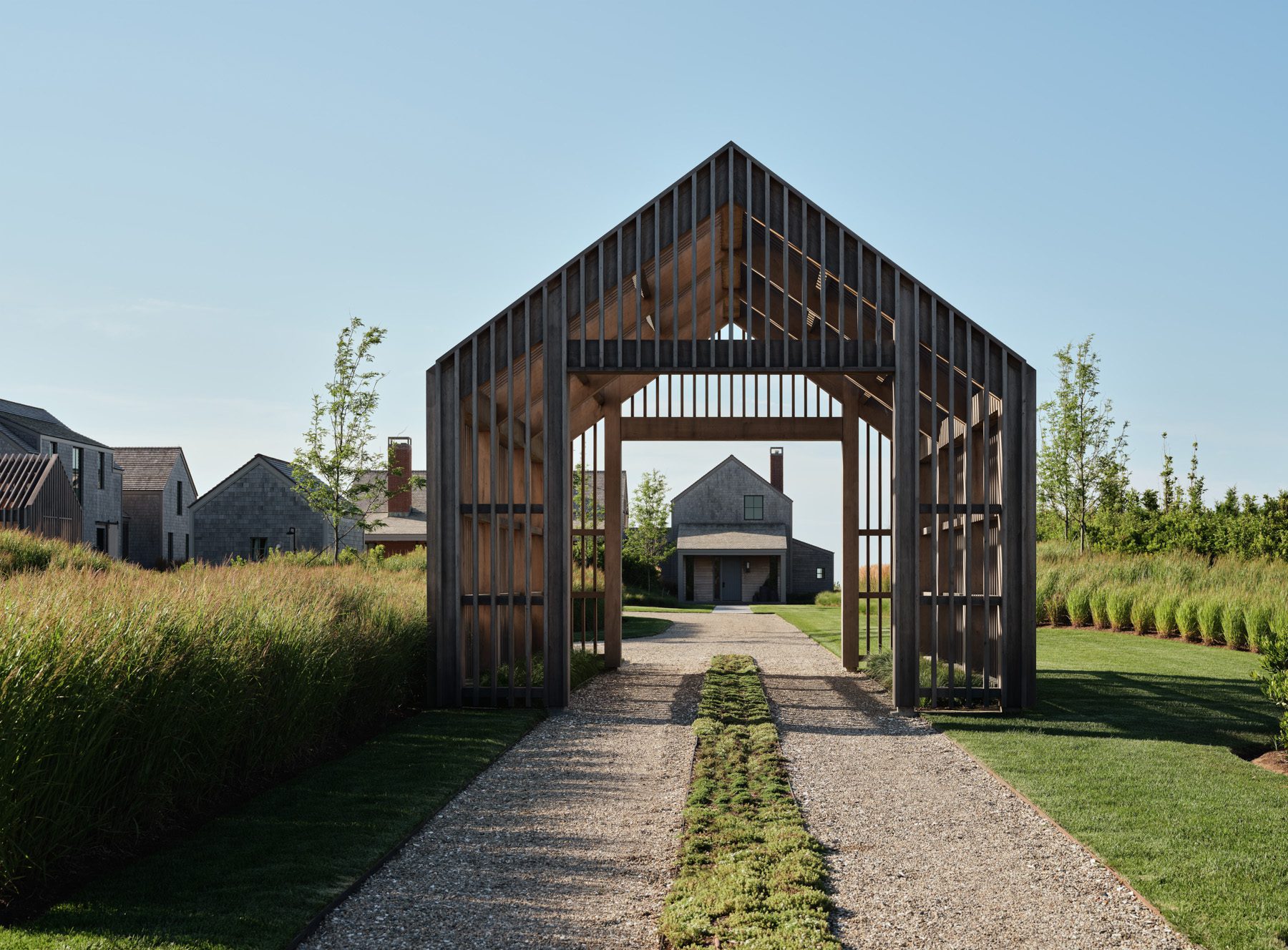
The resulting structures act as lightweight architectural elements that frame views and circulation paths while blending into the surrounding landscape. Careful coordination between structural detailing, fabrication, and construction allowed the timber frames to remain open, refined, and visually understated.
Together, these details create structures that quietly support the architectural vision while reinforcing the connection between the built environment and the surrounding landscape.
PROJECT TEAM
Architect: Workshop/APD, General Contractor: Cheney Custom Homes, Landscape Design: Jardins International Inc.